

am 1.11.1999 fand in Heidelberg ein Gespräch über die ersten Weiterbildungsprogramme in systemischer Therapie und die therapeutische Arbeit mit Familien in China statt (Abb.: www.china-zeichen.de). An diesem Gespräch waren Margarete Haaß-Wiesegart, der damaligen Präsidentin der deutsch-chinesischen Akademie für Psychotherapie und Mitorganisatorin eines umfangreichen deutsch-chinesischen schulenübergreifenden Weiterbildungsprojektes, Fritz B. Simon als aktiver Lehrtherapeut in diesem Projekt sowie Bruno Hildenbrand und Tom Levold als Herausgeber der„System Familie“ beteiligt, in der das Gespräch auch im Jahre 2000 erschien und nun in der Systemischen Bibliothek nachzulesen ist. Auch wenn inzwischen neun Jahre vergangen sind und die deutsch-chinesische Kooperation auch in Psychotherapie-Fragen nicht mehr ganz so spektakulär wie in den 90er Jahren ist, bietet das Gespräch doch nach wie vor interessante Einblicke in die interkulturellen Schwierigkeiten und Chancen, die mit der Einführung systemischer Sichtweisen auf Kommunikationsprobleme in eine ganz andere Kultur verbunden waren (und sicher auch noch sind).
Zum vollständigen Text
5. Dezember 2008
von Tom Levold
Keine Kommentare
 „Je älter ich geworden bin, je mehr ich in die ‚übliche Sozialisation‘ geraten bin (Schule, Ausbildung, Beziehung, Kinder = Familie, berufliche ‚Karriere‘, soziale Absicherung etc.), desto stärker machten sich Zweifel breit – Zweifel, ob ich mich wirklich so sehr von
  meiner Herkunftsfamilie, von meinen Eltern unterschied, wie ich es mir meist und immer wieder gewünscht und erhofft hatte“ So einen Satz dürfte vielen von uns vertraut sein. Im heutigen Adventskalenderbeitrag setzt sich Jürgen Hargens mit den Konstruktionen und (Re-)Konstruktionen auseinander, die er im Laufe der Zeit von seinen Eltern (und sich) entwickelt hat:„Einige Geschichten sind einfach hoffnungsvoller als andere“!
 Wie bereits gemeldet, wird die„Familiendynamik“ im neuen Jahr in neuem Gewand erscheinen. Die vergangenen 33 Jahrgänge feiern die Herausgeber nun mit einem Klassiker-Heft, das es in sich hat.„Ein Streifzug durch die Geschichte der Familiendynamik“ versammelt 13 Aufsätze aus 33 Jahren, von denen die meisten auch heute noch immer wieder zitiert werden. Zu finden sind u.a. Beiträge von Salvador Minuchin, Mara Selvini, Luigi Boscolo und Gianfranco Cecchin, Helm Stierlin, Fritz Simon, Gunhart Weber, Jochen Schweitzer, Michael White, Harlene Anderson, Harry Goolishian, Steve de Shazer und Rosmarie Welter-Enderlin. Alle Abonnenten erhalten das Klassiker-Heft als Geschenk. Ein Wermutstropfen allerdings ist die Tatsache, dass das Heft auf der
  Heute erzählt Rosmarie Welter-Enderlin von einer sehr aktuellen persönlichen Begegnung, die zwar nicht ihren Lebensweg geprägt hat, aber doch erheblich zu ihrem gegenwärtigen Wohlsein
 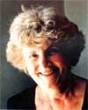 beiträgt, nämlich mit ihrem Physiotherapeuten:„Ich lerne viel von Herrn Müller, seine frei schwebende Aufmerksamkeit zum Beispiel, wie Herr Freud sie beschrieben hat, und Physiotherapie ,mit menschlichem Antlitz‘. In einer Zeit, da unser Feld als grauslich technizistisch beschreibbar ist, finde ich das menschliche Antlitz in der Physiotherapie wunderbar!“
 Guido Strunk erinnert sich heute
  im Adventskalender an seinen Vater, den Uhrmachermeister, der ihm die ersten Lektionen in Sachen Komplexität erteilt hat, verbunden mit der Vorstellung, dass auch die Komplexität einem Plan, eben einem komplexen Plan folgt. Diese Vorstellung wurde dann von der Erkenntnis der Selbstorganisation dynamischer Systeme erweitert, aber lesen Sie selbst.
 Den zweiten Eintrag im systemagazin-Adventskalender steuert Luc Ciompi bei, der eine schöne Geschichte von einem Menschen erzählt, die
 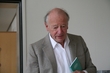 Mut machen soll und kann:„Wieso werden solche hoffnungsgebende, jeder gleichmacherischen statistischen Prognostik zuwiderlaufende Fälle immer wieder systematisch ausgeblendet? Wieso werden sie nicht gezielter gesammelt und beforscht? An uns systemisch-ganzheitlich orientierten Therapeuten ist es, dies zu ändern (change we need! ich schreibe diese Zeilen gerade 3 Tagen vor der amerikanischen Präsidentenwahl lets hope!)“. Nun da sich die amerikanische Hoffnung schon erfüllt hat, hoffen wir, dass sich auch in dieser Hinsicht bei uns ein wenig Change ergibt.
 Nachdem in den beiden vergangenen Jahren der systemagazin-Adventskalender als„special“ mit Geschichten von systemischen TherapeutInnen, SupervisorInnen und BeraterInnen auf große Resonanz gestoßen ist, gibt es auch in diesem Jahr wieder einen„Atzventz“-Kalender (wie der Rheinländer sagt). Auch dieses Mal geht es um ganz persönliche Eindrücke und Erinnerungen. Im Zentrum steht die Begegnung mit einem Menschen, die einen auf dem Weg zur Systemischen Therapie, Beratung, Coaching etc. beeindruckt, beeinflusst oder berührt hat, oder die es einfach Wert ist, nicht vergessen zu werden. An welche Begegnungen mit KollegInnen, LehrerInnen, FreundInnen denkt man besonders gerne zurück? Welche war besonders wichtig, an- oder aufregend, lustig oder anrührend? Welchen Stellenwert hat diese Geschichte noch heute? Wie sich zeigt, geht es bei vielen gar nicht so sehr um die Begegnung mit den MatadorInnen des Feldes, sondern oft um ganz andere Menschen. Die einzelnen Beiträge machen jedenfalls Freude und geben Anlass zur Besinnung. Lassen Sie sich überraschen und freuen Sie sich auf die Beiträge von Luc Ciompi, Rosmarie Welter-Enderlin, Jürgen Hargens, Arist von Schlippe, Wolfgang Loth, Kurt Ludewig, Bernd Schmid und vielen anderen. Übrigens: Wenn Sie sich angeregt fühlen, auch eine eigene Geschichte zum Kalender beizusteuern, freue ich mich auf Ihre Zusendung. Noch gibt es Tage zu besetzten, aber auch wenn der 24.12. erreicht ist, ist das für einen echten Atzventz-Kalender überhaupt kein Grund aufzuhören.
 Heute würde Mary Ainsworth, die 1999 gestorben ist, ihren 95. Geburtstag feiern. Gemeinsam mit John Bowlby hat sie die wesentlichen Konzepte der Bindungstheorie entwickelt. Sie wurde am 1.12.1913 als Älteste von drei Schwestern geboren. Beide Eltern waren Akademiker und setzten sich intensiv mit Erziehungsfragen auseinander. Als Ainsworth 5 Jahre alt war, übersiedelte die Familie nach Kanada. Das Buch„Character and the Conduct of Life“ von William McDougall weckte in der 15-Jährigen den Wunsch, Psychologin zu werden. Sie begann 1929 mit dem Psychologiestudium an der Universität Toronto, wo sie 1936 den Master machte und 1939 promovierte. Nachdem sie in Toronto einige Jahre als Dozentin gearbeitet hatte, trat sie 1942 in die Kanadische Armee ein, in der sie den Rang eines Majors erreichte. Nach ihrer Militärdienstzeit kehrte sie nach Toronto zurück, lehrte weiterhin Persönlichkeitspsychologie und war in der Forschung tätig. 1950 heiratete sie Leonard Ainsworth und zog mit ihm nach London. Dort fand sie eine Stelle in der von John Bowlby geleiteten Forschungsgruppe an der Tavistock Clinic, die den Einfluss der Trennung von Mutter und Kind auf die kindliche Entwicklung untersuchte. Ein Ergebnis der Untersuchung war, dass für eine vergleichende Analyse zuerst die gesunde Mutter-Kind-Beziehung erforscht werden müsste. Leonhard Ainsworth erhielt eine Stelle beim East African Institute of Social Research in Uganda. Mary Ainsworth reiste mit ihm und führte ein Feldforschungsprojekt über die vorbildlichen Mutter-Kind-Beziehungen beim Volk der Ganda durch, das sie in ihrem Buch Infancy in Uganda beschrieb. 1956 zog das Ehepaar Ainsworth nach Baltimore, wo Mary Ainsworth an der Johns-Hopkins-Universität lehrte. Nach der Scheidung von Leonhard 1962, führte sie ihre Studien über die Mutter-Kind-Bindung fort und untersuchte die Interaktion von Müttern und Kindern in ihrer natürlichen Umgebung. Sie suchte auch regelmäßig Familien auf, um das Verhalten von Müttern und Kindern zu beobachten. Mary Ainsworth starb im Alter von 85 Jahren (Quelle: Wikipedia). Inge Bretherton, die eng mit Mary Ainsworth zusammengearbeitet hat, hat 1992 für die Zeitschrift„Developmental Psychology“ eine Arbeit über„The Origins of Attachment Theory: John Bowlby and Mary Ainsworth“ vefasst, die auch online zu lesen ist.
 Harald Wasser, psychoanalytisch wie systemtheoretisch inspirierter Autor, hat interessante Überlegungen„Zur systemtheoretischen Konstitution von Gegenständen“ angestellt, die sich mit der Frage auseinandersetzen, worin denn eine systemtheoretische Phänomenologie bestehen kann, wenn sich diese nicht mehr ohne weiteres – wie bei Husserl (Foto: Wikipedia) – aus dem erlebenden Bewusstsein ergibt:„Der besondere Weg Luhmannscher Systemtheorie besteht (
) darin, sich vom Anspruch einer Phänomenologie des Erlebens insoweit zu lösen, als auch ganz andere Beobachter, die nicht in der Lage sind, zu erleben (stattdessen aber vielleicht: zu kommunizieren), als Beobachter von Phänomenen in Frage kommen. Eine weitere Besonderheit besteht dann darin, sich (wie es z.B. Freud in seiner Praxis einer »freischwebenden Aufmerksamkeit« gegenüber den »freien Assoziationen« seines Analysanden vorgemacht hat) auf die Beobachtung anderer Beobachter »aufzuschalten« und damit auf eine Theorie der Beobachtung zweiter Ordnung umzuschalten. Beobachtet man Theorien anderer Beobachter, so stellen diese zunächst etwas dar, das sich grundsätzlich durch nichts von anderen Phänomenen unterscheidet und so fallen sie sozusagen in die Phänomenologie. Eben darum lassen sie sich beobachten, ohne sogleich nach dem Schema des beobachteten Beobachters, etwa: nach »wahr« und »falsch« beurteilt werden zu müssen. Phänomenologisch gesehen existieren ja auch Einhörner nicht anders als Pferde. Um das prüfen zu können, bedarf es nur eines Blicks in die Literatur der Märchen und Sagen. Dort sind sie leicht als kommunikative Phänomene nachweisbar, ebenso wie Hexen und Götter und ewige Liebe. Die Phänomenologie konstatiert Phänomene. Sie behauptet folglich nicht, dass die von ihr notierten Phänomene für alle Beobachter und immer gelten. Wechselt ihr Blick in die Naturwissenschaft, etwa die Zoologie, so wird sie umgekehrt konstatieren müssen, dass (und sogar: warum) aus Sicht dieses Beobachters Einhörner keineswegs existieren. Die phänomenologische Arbeitsweise der Systemtheorie ist also treffend dadurch charakterisiert, dass sie die ihr gegebenen (und das heißt immer zugleich: die von ihr erzeugten!) Phänomene auf eine Weise beobachtet, in der sich eigene Beobachtungen als Beobachtungen anderer Beobachter manifestieren können (second order cybernetics)“ Der Artikel ist online auf
Harald Wasser, psychoanalytisch wie systemtheoretisch inspirierter Autor, hat interessante Überlegungen„Zur systemtheoretischen Konstitution von Gegenständen“ angestellt, die sich mit der Frage auseinandersetzen, worin denn eine systemtheoretische Phänomenologie bestehen kann, wenn sich diese nicht mehr ohne weiteres – wie bei Husserl (Foto: Wikipedia) – aus dem erlebenden Bewusstsein ergibt:„Der besondere Weg Luhmannscher Systemtheorie besteht (
) darin, sich vom Anspruch einer Phänomenologie des Erlebens insoweit zu lösen, als auch ganz andere Beobachter, die nicht in der Lage sind, zu erleben (stattdessen aber vielleicht: zu kommunizieren), als Beobachter von Phänomenen in Frage kommen. Eine weitere Besonderheit besteht dann darin, sich (wie es z.B. Freud in seiner Praxis einer »freischwebenden Aufmerksamkeit« gegenüber den »freien Assoziationen« seines Analysanden vorgemacht hat) auf die Beobachtung anderer Beobachter »aufzuschalten« und damit auf eine Theorie der Beobachtung zweiter Ordnung umzuschalten. Beobachtet man Theorien anderer Beobachter, so stellen diese zunächst etwas dar, das sich grundsätzlich durch nichts von anderen Phänomenen unterscheidet und so fallen sie sozusagen in die Phänomenologie. Eben darum lassen sie sich beobachten, ohne sogleich nach dem Schema des beobachteten Beobachters, etwa: nach »wahr« und »falsch« beurteilt werden zu müssen. Phänomenologisch gesehen existieren ja auch Einhörner nicht anders als Pferde. Um das prüfen zu können, bedarf es nur eines Blicks in die Literatur der Märchen und Sagen. Dort sind sie leicht als kommunikative Phänomene nachweisbar, ebenso wie Hexen und Götter und ewige Liebe. Die Phänomenologie konstatiert Phänomene. Sie behauptet folglich nicht, dass die von ihr notierten Phänomene für alle Beobachter und immer gelten. Wechselt ihr Blick in die Naturwissenschaft, etwa die Zoologie, so wird sie umgekehrt konstatieren müssen, dass (und sogar: warum) aus Sicht dieses Beobachters Einhörner keineswegs existieren. Die phänomenologische Arbeitsweise der Systemtheorie ist also treffend dadurch charakterisiert, dass sie die ihr gegebenen (und das heißt immer zugleich: die von ihr erzeugten!) Phänomene auf eine Weise beobachtet, in der sich eigene Beobachtungen als Beobachtungen anderer Beobachter manifestieren können (second order cybernetics)“ Der Artikel ist online auf 
 Nachdem sich der Mitbegründer der RWE-Fraktion, Wolfgang Clement (Foto: Wikipedia), nach 38 Jahren Isolationshaft in der SPD selbst begnadigt hat, sorgt diese Entscheidung in der Öffentlichkeit für Empörung. Während Bundesjustizministerin Brigitte Zypries (SPD) von einem„rechtsstaatlich ganz normalen Vorgang“ sprach, kritisierte Hessens SPD-Vorsitzende Andrea Ypsilanti scharf das Angebot von Kermit dem Frosch, Clement einen Praktikumsplatz in der Muppet Show frei zu halten. Kermit seinerseits ließ wissen, dass Clement„längst bereut, er bittet um Vergebung, er möchte nur nicht vorgeführt werden in dieser Vergebungsgeste“. Kermit hatte Clement bereits 2005 angeboten, ein Praktikum in der Muppet Show zu machen. Er hatte dies damit begründet, dass der Expolitiker eine Chance zur Rückkehr in die Gesellschaft bekommen müsse. Wie zu hören war, soll Clement in der Muppet Show die Rolle von Fozzi Bär übernehmen. Fozzi Bär ist ein orange-brauner, zotteliger Bär mit Hut und rosa gepunktetem Halstuch, der sich als Komiker versucht. Aber niemand findet seine Witze lustig und so wird er nach seinen Auftritten meistens von Minderwertigkeitskomplexen heimgesucht. Regelmäßig gibt es spöttische Zwischenrufe aus dem Publikum, besonders von Statler und Waldorf, den beiden alten Herren, denen aber auch gar nichts gefällt. Kermit redet ihm dann jeweils gut zu und baut ihn wieder auf. Clement:„Eine wunderbare Rolle, die mir wie auf den Leib geschneidert ist“.